Food Storage Beyond Plastic: The Practical Swap Guide for Containers, Wraps and Bags
The plastic-storage question deserves better than both panic and dismissal — the microplastics-and-heat evidence is genuinely evolving, and the practical response is a swap PRIORITY list, not a kitchen purge. The storage guide: the evidence, the ranking and the system.
The Evidence Sorted
What’s known and what’s noise: the heat-plus-plastic core finding (the warm-and-hot contact accelerating chemical migration — the microwave-and-dishwasher cycles being the main event; the room-temperature dry-goods storage being a different, calmer story), the fatty-food factor (the oils drawing plastic-soluble compounds — the tomato-oil sauce in old plastic being the worst combination; the stain that never washes out being the visible version), the microplastics honesty (the field young and the exposure everywhere — the food-storage contribution being one controllable slice; the proportion kept per the worry-budget doctrine), the recycling-code literacy (the numbers decoded — the avoid-heating-any-of-them simplification beating memorizing codes), and the calm framing (the response being gradual smart swaps — the panic-purge wasting money and the whatever-shrug wasting an easy win; the middle path as always).
The Swap Priority
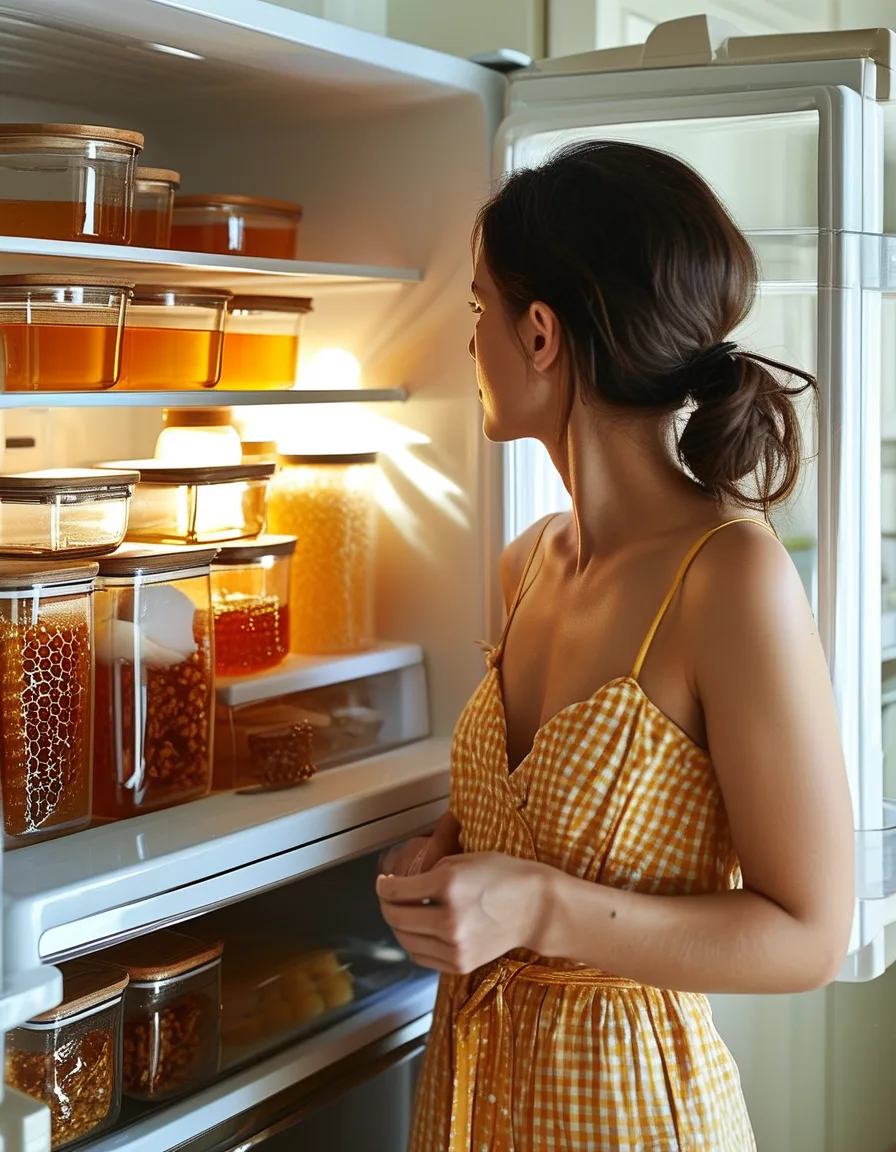
Ranked by impact: swap one — the microwave rule (nothing plastic heated, starting today — the ceramic-or-glass reheat being free; the single highest-impact change costing zero dollars), swap two — the hot-food transfer (the leftovers cooled before plastic OR containered in glass — the steaming-curry-into-takeout-tub habit retired), swap three — the fatty-and-acidic reassignment (the sauces, dressings and oily leftovers to glass jars — the pasta-sauce jar recycling system being free glass), swap four — the aging-plastic retirement (the scratched, cloudy and stained containers demoted to dry goods or released — the degraded plastic being the leachiest), swap five — the wrap upgrades (the beeswax wraps and silicone lids replacing cling film for most jobs — the bowl-covering and half-lemon tiers), and the keep-calm clauses (the freezer plastic being lower-concern — the cold slowing migration; the dry-pantry plastic being fine; the purge unnecessary, the reassignment sufficient).
The Replacement System
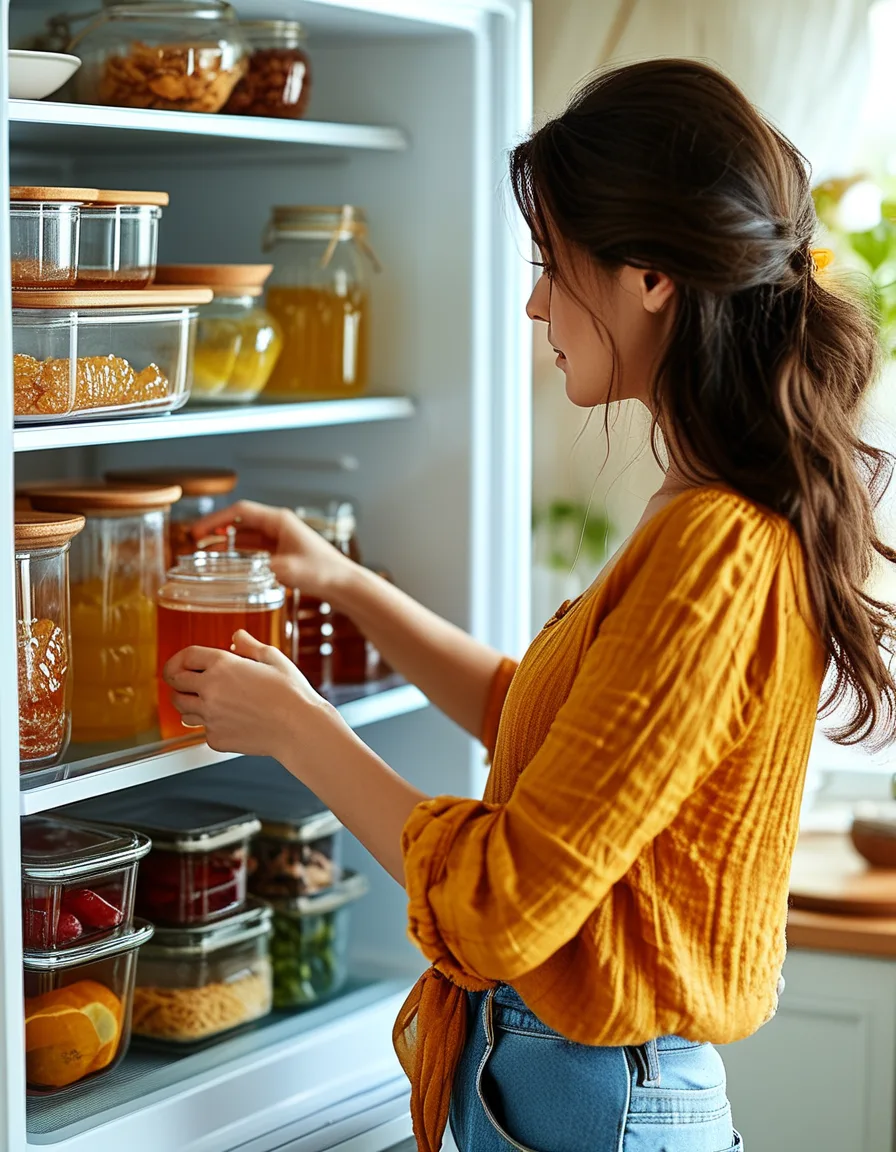
The materials that last: the glass foundation (the rectangular glass set with locking lids — the fridge-to-oven-to-table span; the see-through inventory bonus from the fridge-organization doctrine; the weight-and-breakage honesty as the only real cons), the stainless tier (the lightweight lunch-and-snack containers — the kid-proof and commute-proof option from the lunch doctrine; the not-microwavable footnote), the silicone middle (the food-grade bags and lids — the freezer-and-sous-vide flexible tier; the quality-brand distinction; the zip-bag replacement math: the reusable bag amortizing in months), the jar economy (the saved pasta-and-pickle jars as the free storage fleet — the bulk-pantry and leftover-sauce corps; the zero-cost entry to glass), and the buy-once economics (the storage system as a five-year purchase — the flimsy-plastic replacement cycle ended; the gear doctrine’s cost-per-use math winning again).
The Living-With-It Frame
The system in practice: the transition pace (the swaps made as plastic retires — the gradual replacement over the dramatic purge; the budget spread across months), the household onboarding (the family taught the microwave rule first — the one-rule start that carries most of the benefit; the lid-matching system that prevents the container-avalanche cupboard per the organization doctrine), the takeout-and-freezer reality (the takeout containers reused for DRY-and-cold jobs — the harm-reduction reuse; the deli-container fleet acknowledged as the home cook’s open secret, used cold), the beyond-storage note (the bigger kitchen-plastic picture — the cutting boards and utensils on the same heat logic; the wooden-spoon and board upgrades as the adjacent swaps), and the proportion close (the storage swaps as one sensible slice of a sensible life — the vegetables stored IN the containers mattering more than the containers; the kitchen calmly upgraded, the panic declined, the leftovers thriving in glass). Never heat plastic, glass for hot-and-oily, retire the scratched: the storage, sorted without the purge.
Don’t purge — prioritize: never microwave plastic (free, today), transfer hot and oily food to glass, retire scratched containers to dry goods. Build the replacement system from glass sets, steel lunch tins and saved pasta jars.
Keep Reading
This article is for general informational purposes only and is not medical advice. Always consult a qualified health professional for guidance specific to you.