Why Acidic and Oily Foods Are the Ones That Shouldnt Sit in Plastic
Quick Answer: Chemicals migrate from plastic into food, and how much depends far more on the food than on the plastic. Fatty and oily foods pull out fat-soluble compounds most effectively, acidic foods accelerate breakdown of the polymer surface, and heat multiplies both. Dry, cool, neutral foods migrate very little. So the highest-value swaps are tomato-based sauces, oily dressings, curries, and anything hot going into a container, rather than replacing every plastic item you own.
The usual advice is to replace all your plastic containers, which is expensive and mostly unnecessary.
The more useful version is that a small number of food types account for most of the migration, and moving just those to glass gets you the large majority of the benefit for very little money.
Why do fat and acid matter so much?
Because migration is a chemistry problem, and the food is one of the reactants.
Fat is the big one. Many compounds of concern in plastics, including plasticisers and residual monomers, are lipophilic, meaning they dissolve in fat far more readily than in water. An oily food in contact with plastic is a solvent sitting against a source. Migration studies consistently find fatty foods extracting substantially more than aqueous ones, which is why regulatory testing uses fat simulants specifically.
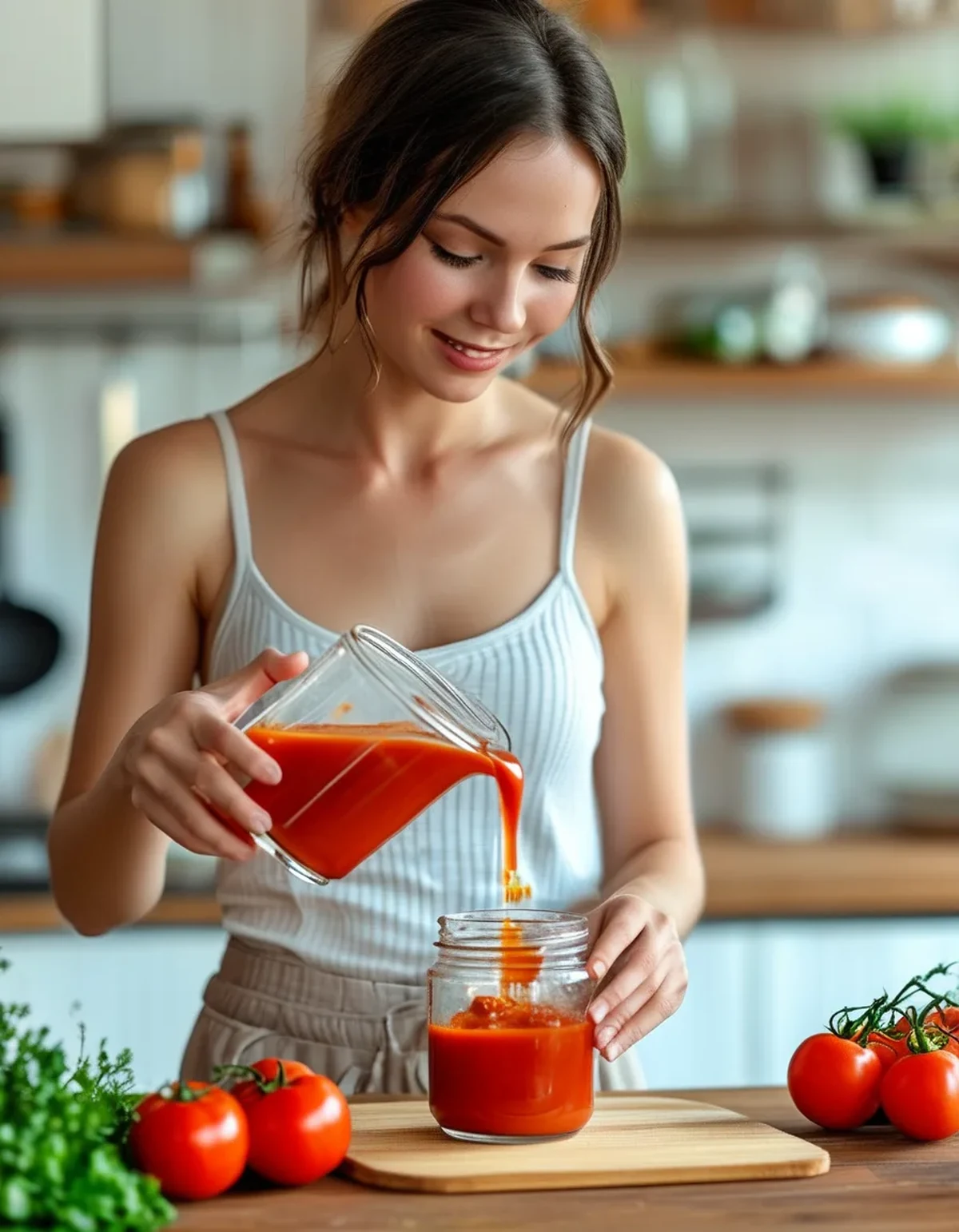
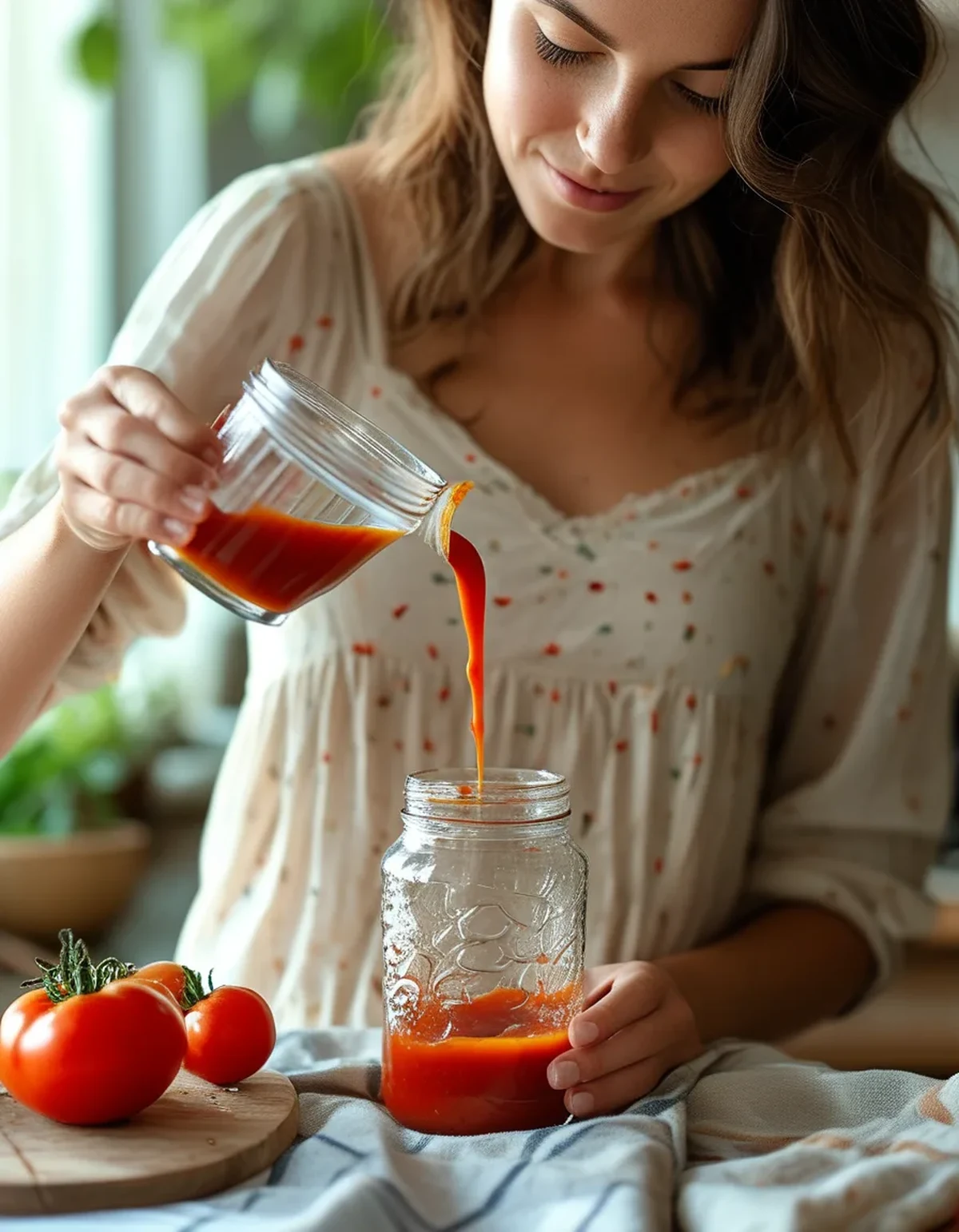
Acid attacks the surface. Acidic foods, tomato, citrus, vinegar, some fermented foods, gradually degrade the polymer surface and any coating on it. That increases the surface area available and can release breakdown products. This is also why tomato sauce stains plastic so stubbornly, since the staining and the degradation share a cause.
Heat accelerates everything. Migration rates rise sharply with temperature. Hot food into a cold container, microwaving, and dishwasher cycles all raise the rate.
Time compounds it. A three-day storage is a different exposure from a twenty-minute one.
Which combination is worst?
Hot, oily, acidic, stored for days. A leftover curry or bolognese put into plastic while still warm is close to the maximum case for everyday cooking.
What about BPA-free, does that solve it?
Partially, and less than the labelling implies.
BPA-free means one specific compound has been removed. Manufacturers replaced it with structurally similar compounds, most commonly BPS and BPF, and research on those replacements has raised broadly similar questions. A BPA-free label tells you what is absent, not what is present.
Beyond bisphenols there are plasticisers, notably phthalates in flexible plastics, and antioxidant and stabiliser additives that also migrate.
There is also the microplastics and nanoplastics question, which is separate from chemical migration. Physical particle release from plastic containers, particularly scratched or worn ones, is an active research area, and studies have found meaningful particle release from some containers under heat.
What this adds up to: plastic type is a second-order variable and food type plus heat is the first-order one. A polypropylene container holding dry rice is a very different situation from the same container holding warm oily curry, and the label on the container does not distinguish between them.
What do the recycling numbers mean here?
As a rough guide, 2, 4 and 5 are generally regarded as lower concern, and 3, 6 and 7 as higher. It is a useful heuristic and not a substitute for thinking about the food and the temperature.
Myth vs Fact: plastic food storage
Myth: Microwave-safe means no chemicals migrate. Fact: It means the container will not deform or melt at microwave temperatures. It is a structural rating, not a migration rating, and heating in plastic is one of the higher-migration scenarios.
Myth: Dishwasher-safe plastic is fine indefinitely. Fact: Dishwasher heat and detergent age plastic faster than most other uses, producing surface crazing and cloudiness. A cloudy container has a degraded surface, which increases both migration and particle release.
Myth: Glass is always safer. Fact: Glass is inert and excellent for this purpose. The caveats are that lids are usually plastic and sit against food when stored on their side, and that thermal shock is a real breakage risk. Also worth knowing: some decorative glassware carries lead in external paint, though plain food storage glass does not.
Myth: Scratches are only cosmetic. Fact: Scratches increase surface area, harbour bacteria, and are associated with greater particle release. A heavily scratched container is the clearest signal to retire one.
Myth: You need to replace everything at once. Fact: Targeting oily, acidic and hot uses first captures most of the benefit. Dry storage in plastic is a very low concern.
What should I actually change?
A short list, in order of value per pound spent.
- Two or three glass containers for tomato-based and oily leftovers. Bolognese, curry, chilli, anything with a lot of oil or tomato. This is the single highest-value change.
- A glass jar or bottle for dressings and oil-based marinades. Long storage plus high fat is exactly the wrong combination for plastic.
- Stop microwaving in plastic. Transfer to a plate or a glass container. Costs nothing and removes the heat variable entirely.
- Let food cool before it goes into any plastic container. Also a food safety improvement, since it reduces condensation.
- Retire scratched, cloudy or stained containers. Staining from tomato is a visible record of surface interaction.
- Keep plastic for dry, cool, low-fat storage. Rice, pasta, flour, snacks, sandwiches, cut vegetables. These are low-migration uses and there is no reason to spend money replacing them.
What about takeaway containers?
They are designed for single transport use, not for repeated storage, reheating and dishwashing. Reusing them a few times for dry food is fine; using them as your permanent hot-food containers is the use they are least suited to.
Does the season change what matters here?
Somewhat, and it is worth a thought as cooking shifts.
Soup and stew season is arriving, which means a large increase in hot, often tomato-based, often oily food going into storage containers. This is precisely the category that matters, and it happens to be the food most people batch-cook in the largest volumes.
Slow cooker liners are a related question that comes up more from October. They are convenient and they are a plastic film in prolonged contact with hot, often acidic, often fatty food, which is close to the maximum exposure scenario in a domestic kitchen. Cooking without a liner and soaking the pot afterwards is the straightforward alternative.
Freezing is low concern. Cold slows migration dramatically, so freezing in plastic is one of the safer plastic uses. The caution is at the other end: do not thaw or reheat in the same plastic container. Transfer to glass or a plate first.
Batch cooking increases storage time, which is the one variable people rarely think about. A sauce that sits in a container for four days has four days of contact rather than four hours.
A reasonable rule for the season: cook in whatever you like, cool in the pot, store acidic and oily things in glass, and reheat on a plate. That sequence covers nearly all of it without buying much.
This is general information, not medical or food safety advice. Follow standard food safety guidance on cooling and storage times.
FAQ: Plastic Storage Questions, Answered
Is silicone a good alternative?
Food-grade silicone is generally considered stable and heat-tolerant. Lower-quality silicone can contain fillers, and a common test is twisting a piece to see whether white shows through, which suggests fillers are present.
Are stainless steel containers a good option?
Excellent for storage, inert, durable, and not microwaveable, which is the main limitation. Good for lunches and fridge storage.
Should I worry about plastic kettles and coffee makers?
Hot water in contact with plastic is the same category of concern. Glass or stainless kettles avoid it, and it is a reasonable swap when replacing anyway rather than an urgent one.
How bad is this really?
Regulatory limits exist and most everyday exposure falls within them. The reasonable position is that reducing unnecessary exposure is sensible and cheap in the specific high-migration cases, and that replacing an entire kitchen is not a good use of money.
This is general information, not medical advice.
TL;DR:
- Migration depends mostly on the food, not the container: fat dissolves compounds out, acid degrades the surface, heat multiplies both, time compounds it.
- BPA-free is a partial answer, since replacement bisphenols, plasticisers and particle release all remain.
- Microwave-safe is a structural rating, not a migration one. Stop reheating in plastic.
- Highest-value swaps: glass for tomato-based and oily leftovers, glass for dressings, cooling before storing, and retiring scratched containers.
- Keep plastic for dry, cool, low-fat storage. Freezing in plastic is low concern; thawing and reheating in it is not.
If you do one thing before soup season, put the bolognese in glass and reheat it on a plate. That covers most of the exposure for the price of two jars.
This is general information, not medical advice.
Keep Reading
This article is for general informational purposes only and is not medical advice. Always consult a qualified health professional for guidance specific to you.