The Non-Toxic Kitchen: Cookware and Swaps, Minus the Panic
The non-toxic kitchen conversation runs on two fuels: legitimate science and profitable panic — and telling them apart saves both health and money. The calm guide: what the evidence actually flags, the cookware decision tree and the swaps worth making (gradually, without the fear tax).

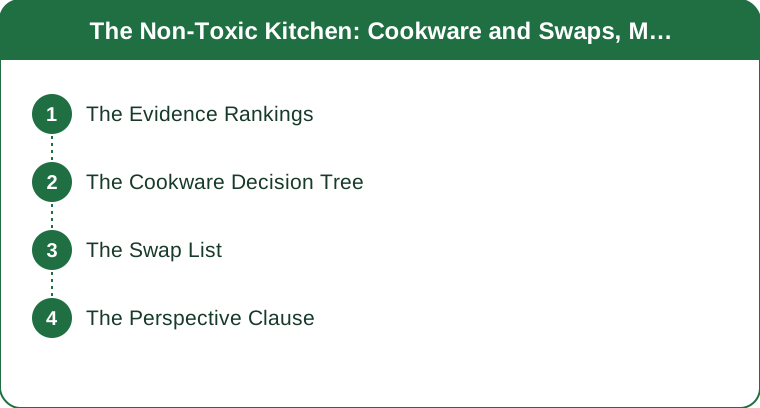
The Evidence Rankings
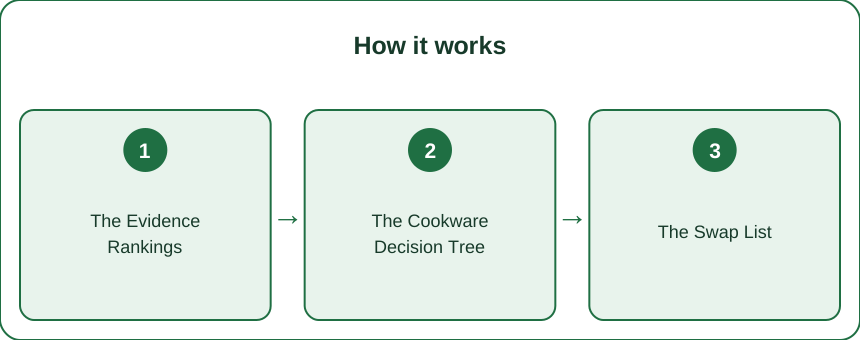
Sorting concern from clickbait: the better-supported flags (aging nonstick pans — the legacy-coating chemistries and the universal rule that scratched, flaking nonstick is retired nonstick; very high-heat nonstick use; and microplastics from heating food in plastic — the research is young but consistently pointing one direction: heat plus plastic plus food is the combination to avoid), the moderate tier (plastic containers generally — cold storage is lower-concern than microwaving; the swap priority is the HEATED plastic, not all plastic), and the mostly-noise tier (aluminum foil panic, the everything-causes-everything genre — the dose-and-context reading that fear marketing skips). The framing rule: replace by evidence-priority, not by influencer inventory-clearance.
The Cookware Decision Tree
The materials, honestly: cast iron (the hundred-year pan — nonstick when seasoned, adds a little dietary iron, heavy and beloved; the buy-once tier), stainless steel (the workhorse — inert, durable, learnable; the sticking problem is technique-and-preheat, not destiny), carbon steel (cast iron’s lighter, faster cousin — the wok world’s answer), enameled cast iron (the soup-and-stew queen), ceramic-coated (the modern nonstick alternative — genuinely convenient, with the honest note that coatings wear and the pan is a consumable, not an heirloom), and the keep-your-nonstick clause (a good-condition nonstick pan used at moderate heat for eggs is a reasonable tool — replace when scratched, not when scared). The realistic kitchen: cast iron + stainless + one careful nonstick covers everything.

The Swap List
The gradual, prioritized swaps: heated-plastic first (glass or steel containers for anything microwaved or hot-filled — the single highest-evidence swap; the takeout-container reheat habit is the one to break today), the wooden-and-silicone utensil upgrade (scratching coatings is how coatings end up in dinner), the cutting-board audit (deeply scarred plastic boards shed — wood or replace), the water-and-storage tier (the filter question is local — check your utility’s report before buying anxiety), and the as-they-die rule (replace items at end-of-life, not in a purge — the landfill-everything weekend is the fear economy’s favorite sale; the calm version upgrades over a year at a fraction of the cost).
The Perspective Clause
The sanity anchors: the biggest kitchen health-factors remain what you COOK, not what you cook IN (the vegetables-fiber-ferments story dwarfs the cookware story by orders of magnitude — a home-cooked meal in an old pan beats takeout in virgin glass), stress is also a health input (the anxiety-scrolling about kitchen toxins has its own cortisol bill — the calm audit beats the panic purge), and the marketing-literacy rule (‘non-toxic’ is an unregulated label; the brands selling fear the loudest are selling replacements the fastest). The non-toxic kitchen, honestly built: a few evidence-ranked swaps, made calmly, in a kitchen that mostly just cooks real food.
Heated plastic goes first, scratched nonstick retires, cast iron and stainless forever, swap as things die. The non-toxic kitchen is a short evidence-based list — everything else is the fear economy talking.
Keep Reading
This article is for general informational purposes only and is not medical advice. Always consult a qualified health professional for guidance specific to you.