The Plastic Container Mistake That Quietly Undoes Your Non-Toxic Kitchen Swap
Quick Answer: The biggest risk from plastic food containers isn’t storage itself — it’s heating plastic, especially in a microwave or with hot food, which significantly increases the rate at which chemicals like BPA and phthalates can migrate into food, meaning a kitchen with ‘safer’ glass alongside plastic that still regularly gets microwaved hasn’t actually eliminated the main exposure route.
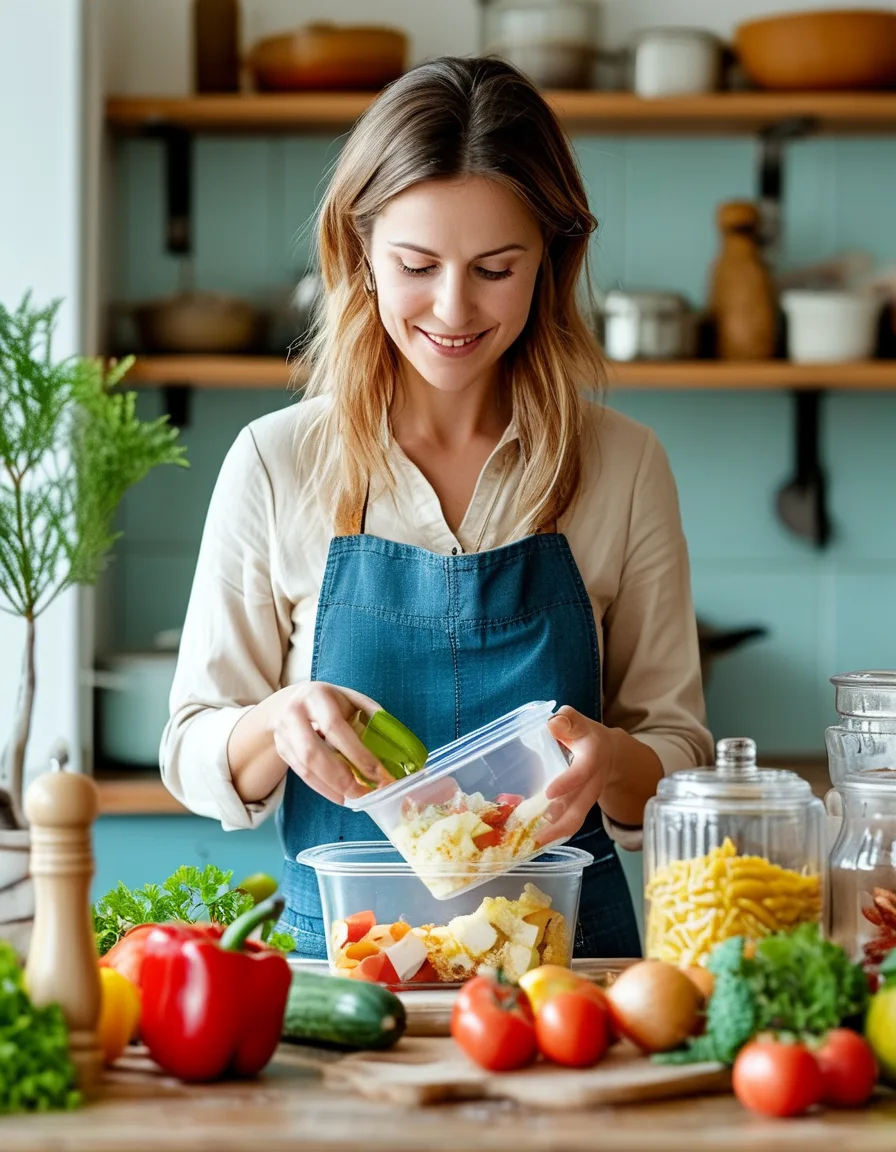
You swapped half your containers for glass, feel good about the change, and then microwave leftovers in one of the plastic containers you kept “for freezer stuff only.” That single habit undoes a meaningful share of the benefit from the glass swap.
Why does heat matter so much more than just using plastic at all?
Chemical migration from plastic into food is a temperature-dependent process — heat increases the rate at which compounds like BPA, phthalates, and other additives can leach from the plastic matrix into whatever’s touching it. Room-temperature or cold storage in plastic carries meaningfully lower migration risk than the same container heated, especially in a microwave where heating can be uneven and quite intense in spots.
So is all plastic use in the kitchen a problem, or just heating it?
Heating is the highest-risk use case by a significant margin. Cold storage, freezing, and room-temperature use of well-made, BPA-free plastic containers carry substantially lower risk than microwaving food directly in plastic. This means a genuinely practical non-toxic kitchen approach doesn’t require eliminating all plastic — it requires eliminating the heat-plastic-food combination specifically.
Myth vs Fact: Non-Toxic Kitchen Plastic Edition
Myth: ‘BPA-free’ plastic means it’s fully safe to microwave. Fact: BPA-free plastics can still contain other chemicals (like BPS, a common substitute) with their own leaching concerns under heat — ‘BPA-free’ isn’t the same as ‘leach-free under heat.’
Myth: You need to replace every plastic item to make a real difference. Fact: Replacing the containers you actually heat food in (the ones used for reheating leftovers) captures most of the practical benefit, even if some plastic remains for cold storage.
Myth: Scratched or cloudy plastic is just a cosmetic issue. Fact: Visible wear often indicates a breakdown in the plastic’s surface structure, which can increase the surface area available for chemical migration — it’s a legitimate signal to replace, not just an aesthetic one.
What’s the actually practical fix here?
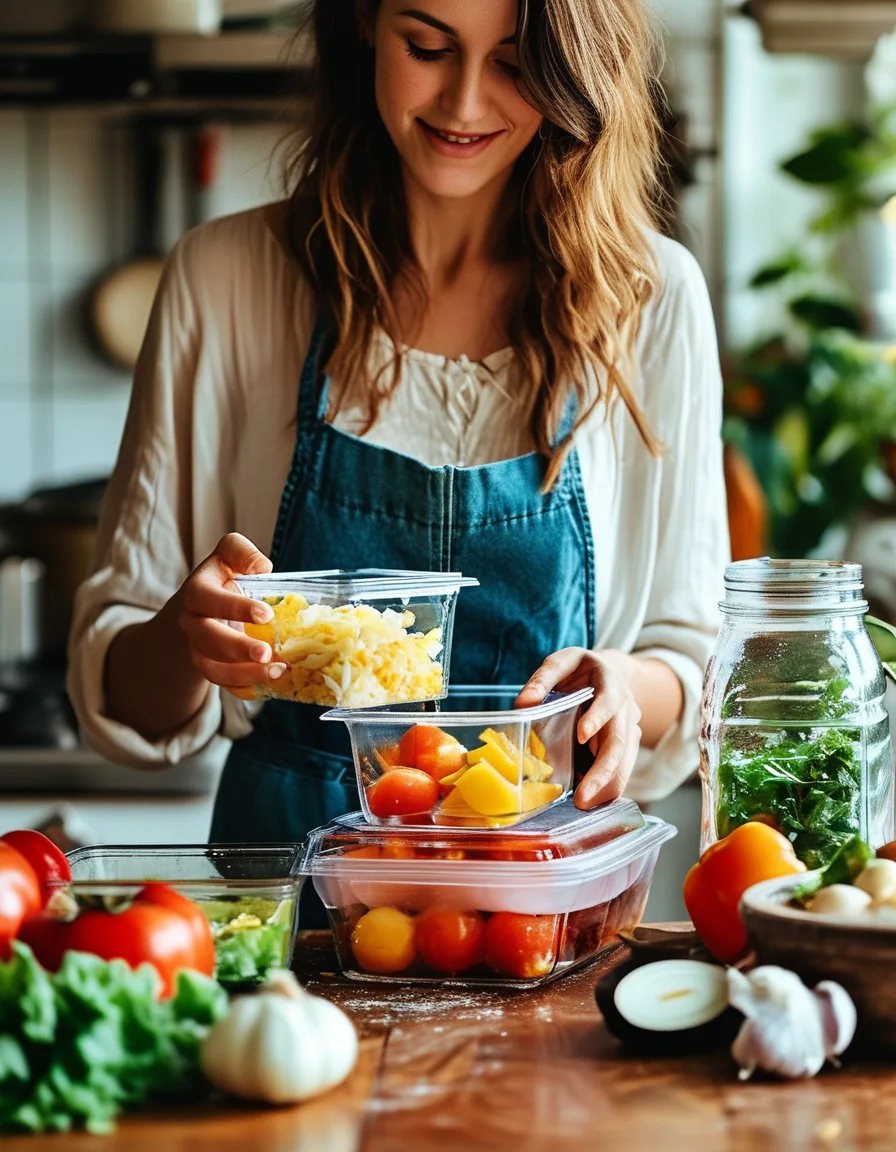
Designate glass or ceramic specifically for anything that goes in the microwave or holds hot food, and reserve any remaining plastic for cold storage only — freezer items, cold snacks, dry goods. This single habit change (rather than a full container overhaul) addresses the highest-risk use case directly without requiring you to discard every plastic item you own.
FAQ: Non-Toxic Kitchen Plastic Questions, Answered
Is it safe to store hot food in plastic before it cools?
Letting food cool somewhat before transferring to plastic reduces the highest-heat exposure window, though transferring to glass while still warm is the more cautious option.
Does the type of food matter for leaching risk?
Yes — fatty and acidic foods are generally more prone to absorbing leached compounds than dry or low-fat foods, making the container choice matter more for those specifically.
How often should plastic containers be replaced?
Replacing scratched, cloudy, or visibly worn containers periodically (rather than a fixed schedule) is a reasonable practical guideline.
TL;DR:
- Heat, not just plastic use itself, is the main driver of chemical migration into food
- ‘BPA-free’ doesn’t guarantee full safety under heat — other substitute chemicals can still leach
- Reserve plastic for cold storage only; use glass or ceramic for anything microwaved or hot
- Replace visibly worn or scratched plastic containers, since surface damage increases migration risk
You don’t need to throw out every plastic container — just stop putting the ones you kept in the microwave.
Keep Reading
This article is for general informational purposes only and is not medical advice. Always consult a qualified health professional for guidance specific to you.