Why Parchment Paper and Air Fryers Are a Worse Combination Than People Think
Quick Answer: Parchment paper in an air fryer carries a real fire risk, because the fan can lift unweighted paper into the heating element, and most manufacturers warn against preheating with paper in the basket or using paper without food on top of it. Separately, most parchment is coated with silicone, which is generally considered stable at normal baking temperatures, while quilon-coated papers contain chromium compounds and are a different question. Perforated liners cut to fit, weighted by food, used without preheating, are the lower-risk version. A reusable perforated silicone mat avoids both issues.
The appeal is obvious. Nothing sticks, cleanup takes seconds, and the basket coating lasts longer.
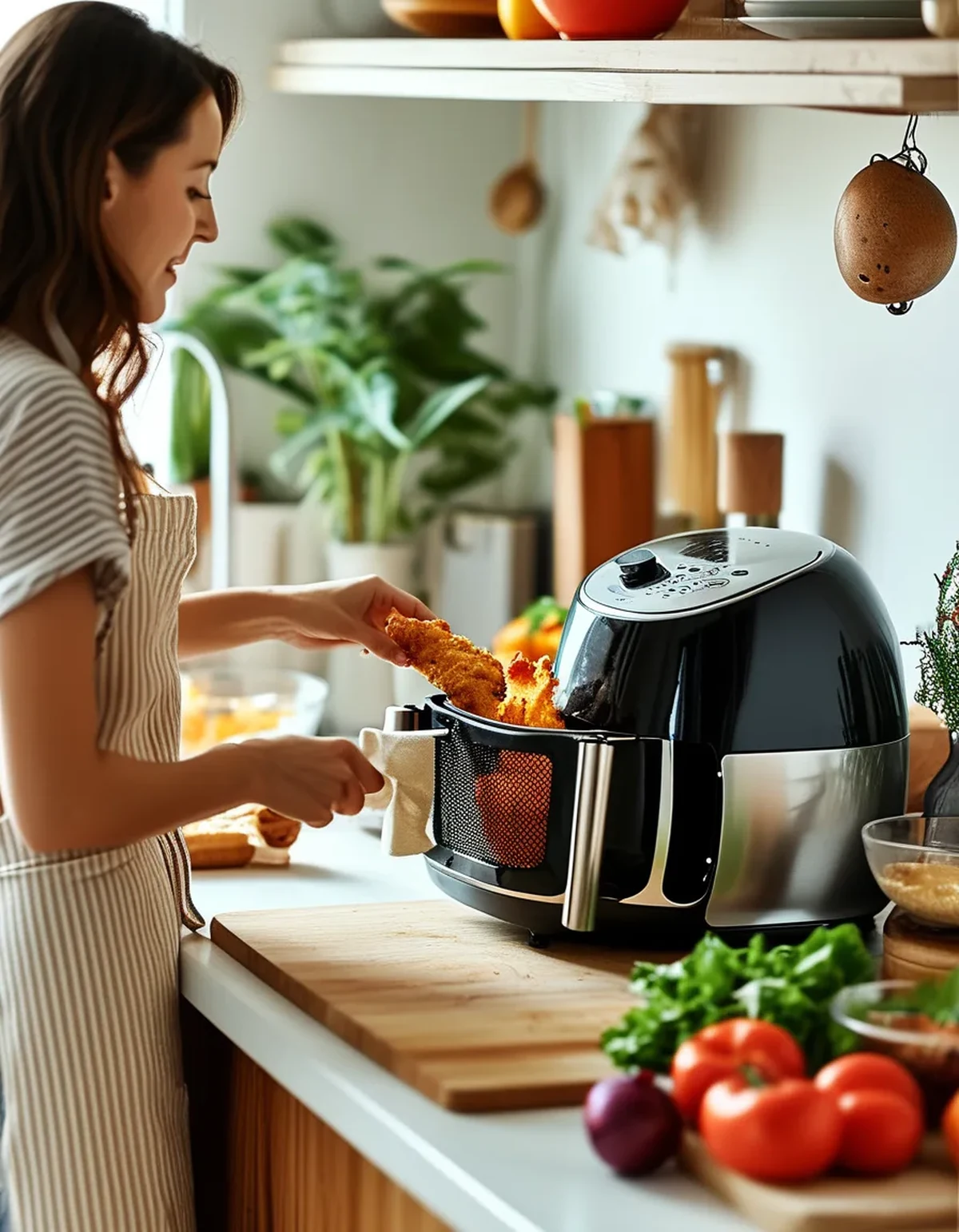
And air fryer manuals almost universally include a warning about paper, which people skip, and the reason for the warning is specific enough to be worth understanding rather than dismissing.

What is the actual fire risk?
It is mechanical, and it comes from the fan rather than the temperature.
How an air fryer works. It is a small convection oven. A heating element sits at the top, and a fan directly above or beside it moves air at high speed through the cooking chamber. That airflow is the entire mechanism, and it is considerably faster than in a conventional oven.
What happens to unweighted paper. A sheet of parchment in the basket with nothing on it is light enough to be lifted by the airflow. Once lifted, it can contact the heating element directly.
Paper ignites at roughly 218 to 246C. Air fryers routinely operate at 200C, and the surface of the heating element itself is far hotter than the set temperature. Direct contact with the element is well above the ignition point.
The two moments of highest risk:
- Preheating with paper in the basket and no food on it. This is the specific scenario in most manufacturer warnings, and it is the most common way it goes wrong.
- When food shrinks or is removed and the paper is no longer held down.
Why this does not happen in a conventional oven. There is no high-speed fan directing air at the paper, and the heating element is usually further away and often shielded. The same paper that is entirely safe in an oven is not safe in the same way in an air fryer.
What the manufacturers actually say. Most air fryer manuals state that paper or liners should only be used with food placed on top to weigh them down, and that nothing should be in the basket during preheating. This is a specific, actionable instruction rather than generic liability language.
What about the coating on the paper?
This depends on which paper you bought, and the two common types are quite different.
Silicone-coated parchment. The most common type in most markets. The paper is treated with a thin layer of silicone to make it non-stick and heat resistant.
- Generally rated by manufacturers to around 200 to 220C
- Food-grade silicone is considered stable at normal cooking temperatures and is widely approved for food contact
- Above its rated temperature, the paper browns and becomes brittle, which is the visible sign you have exceeded it
Quilon-coated parchment. Less common in consumer packs and still present in some products, particularly cheaper or bulk supplies.
- Coated with a chromium-based compound
- Contains chromium, which raises questions that silicone does not
- Frequently not labelled clearly, which is the practical problem
How to tell which you have. Packaging that says silicone-coated, or unbleached silicone parchment, is telling you directly. Packaging with no coating information at all is worth checking with the manufacturer. If it does not say, you do not know.
Bleached versus unbleached is a separate question from coating. Bleached parchment is treated with chlorine compounds during processing. Unbleached, which is brown rather than white, avoids that step. This is a smaller consideration than the coating and it is easy to act on, since unbleached is widely available.
Temperature is the practical control. Staying at or below the paper’s rated temperature avoids the situation where the coating is being pushed beyond what it was tested for. Most air fryer recipes run at 180 to 200C, which is at or near the limit for many papers.
What should you actually use?
Ranked by how well each option addresses both problems.
1. Nothing, plus a light oil. The basket coating is designed for this. A very light coating of oil on the food, or a brief spray on the basket, prevents most sticking. This is the option with no added materials and no fire risk, and it means cleaning the basket, which is the whole reason people use liners.
2. A perforated silicone mat cut to the basket. Reusable, heavier than paper so it does not lift as readily, and rated well above air fryer temperatures. The perforations preserve the airflow that makes an air fryer work. This is the best of the liner options, and it costs a small amount once.
3. Perforated parchment liners, used correctly. Pre-cut perforated rounds designed for air fryers. Used correctly means:
- Never during preheating
- Always with food on top, weighing it down
- Never larger than the basket, and never up the sides where it can be caught by airflow
- Removed as soon as cooking finishes
4. Plain parchment cut to size. The same rules apply and airflow is more restricted without perforations, which reduces the browning and crisping the appliance is for. If you are blocking most of the airflow through the basket, you are operating a small oven rather than an air fryer.
What to avoid entirely:
- Aluminium foil in contact with acidic foods, where it degrades and transfers metal into the food. Foil also blocks airflow completely and can contact the element.
- Wax paper, which is coated in paraffin and melts and smokes at air fryer temperatures. It is not interchangeable with parchment despite looking similar.
- Anything not rated for the temperature you are cooking at.
Myth vs Fact: Air Fryer Liners
Myth: parchment paper is safe in an air fryer because it is safe in an oven. Fact: the difference is the fan. Unweighted paper can be lifted into the heating element, which does not happen in a conventional oven. The paper is the same, the appliance is not.
Myth: the liner does not affect cooking. Fact: it does, substantially, if it blocks airflow. An air fryer works by circulating hot air around the food. A solid liner covering the perforated basket floor removes the airflow from underneath, so the bottom of the food steams rather than crisps. Perforated liners exist specifically for this reason.
Myth: silicone-coated paper releases harmful compounds when heated. Fact: food-grade silicone is considered stable at normal cooking temperatures and is widely approved for food contact. The relevant caution is staying within the paper’s rated temperature, above which it degrades visibly.
Myth: all parchment paper is the same. Fact: silicone-coated and quilon-coated are different products, and quilon contains chromium compounds. Packaging often does not say which you have, which is the actual problem.
Myth: foil is a safe substitute. Fact: foil blocks airflow entirely, can be lifted into the element just like paper, and degrades in contact with acidic foods such as tomato and citrus. It solves none of the problems and adds one.
What nobody tells you: the basket coating is what you were trying to protect, and liners can damage it too. Sliding a liner in and out repeatedly, and using metal utensils on a liner sitting on the coating, scratch the non-stick surface. The most common cause of coating failure is not heat, it is abrasion, and the second most common is the dishwasher. Hand washing with a soft sponge preserves the coating longer than any liner does.
On scratched non-stick generally. A scratched coating on modern cookware releases small amounts of the coating material into food. The main practical concern with damaged non-stick is overheating an empty pan, which can release fumes at high temperatures. Air fryer baskets rarely reach those temperatures with food present, and an empty basket preheating for a long time is worth avoiding for this reason too.
Seasonal note: air fryers get used far more from autumn onward, as cooking moves back toward hot food and people avoid heating a full oven. If you are increasing usage, this is the point to buy a perforated silicone mat rather than a large roll of parchment, since the reusable option pays for itself quickly and removes the question entirely.
FAQ: Air Fryer Liner Questions, Answered
Can you use parchment paper in an air fryer?
With conditions. It must have food on top to weigh it down, must never be in the basket during preheating, and should not extend up the sides. Unweighted paper can be lifted by the fan into the heating element, which is above paper’s ignition temperature.
What is the safest air fryer liner?
A perforated silicone mat cut to the basket. It is heavy enough not to lift, rated well above air fryer temperatures, reusable, and the perforations preserve the airflow the appliance depends on.
Does a liner affect how food cooks in an air fryer?
Yes, if it blocks airflow. A solid liner covering the perforated basket floor stops air circulating underneath, so the bottom of the food steams instead of crisping. Perforated liners exist to avoid this.
TL;DR:
- The fire risk is mechanical: the fan can lift unweighted paper into the heating element, which is above paper’s ignition point.
- Never preheat with paper in the basket, and always weigh it down with food.
- Silicone-coated and quilon-coated parchment are different products, and packaging frequently does not say which you have.
- A perforated silicone mat solves both the fire risk and the coating question, and it preserves airflow.
Check your parchment box for the word silicone. If it is not there, you do not actually know what you are cooking on.
Keep Reading
This article is for general informational purposes only and is not medical advice. Always consult a qualified health professional for guidance specific to you.