How to Swap to a Nontoxic Kitchen (One Sensible Change at a Time)
Swapping to a ‘nontoxic’ kitchen is easy to overdo — replacing everything at once is expensive and often unnecessary. A few sensible swaps, made gradually, cover most of it. Here is why kitchen materials get attention, the swaps worth making, and how to keep it sensible.
Why Kitchen Materials Get Attention
The reasonable concern: the the-materials-touch-your-food (the cookware and storage materials contacting your food from the guide logic — the touch-your-food), the the-heat-and-wear-matter (the heat and wear affecting some materials from the guide logic — the heat-and-wear), the the-people-want-safer-options (the people preferring materials they feel better about from the guide logic — the want-safer-options), the the-easy-to-overdo (the the topic being easy to overdo and over-spend on from the guide logic — the easy-to-overdo), the the-a-few-swaps-cover-most (the a few sensible swaps covering most of it from the guide logic — the few-swaps-cover-most), and the reframe (the nontoxic kitchen as easy to overdo — with replacing everything at once being expensive and often unnecessary, while a few sensible gradual swaps cover most of it).
The Swaps Worth Making
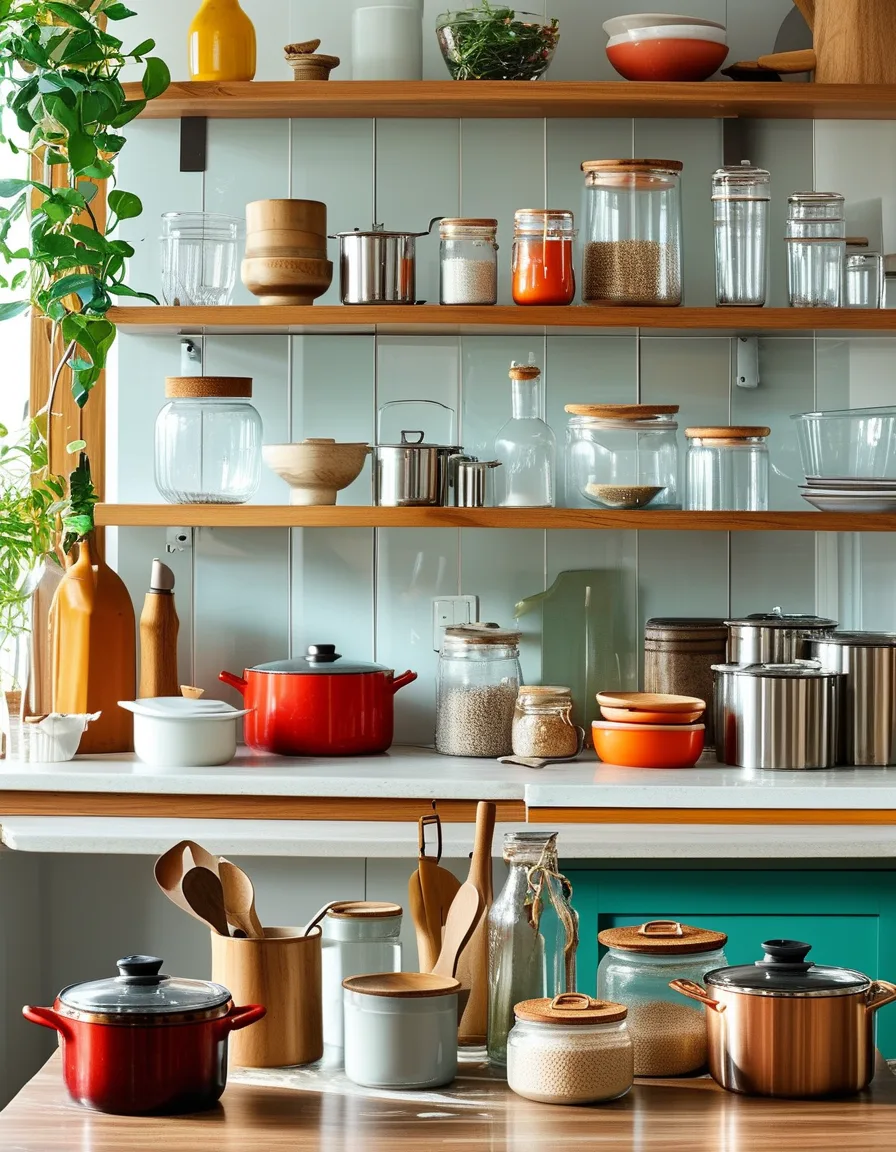
Sensible kitchen swaps: the the-glass-or-stainless-food-storage (the glass or stainless steel food storage over plastic from the guide logic — the glass-storage), the the-do-not-microwave-in-plastic (the not heating food in plastic containers from the guide logic — the no-plastic-heating), the the-stainless-or-cast-iron-cookware (the stainless steel or cast iron cookware options from the guide logic — the stainless-or-cast-iron), the the-replace-damaged-nonstick (the replacing scratched or damaged nonstick pans from the guide logic — the replace-damaged-nonstick), the the-wooden-or-stainless-utensils (the wooden or stainless utensils from the guide logic — the better-utensils), the the-avoid-overheating-pans (the avoiding overheating nonstick pans from the guide logic — the avoid-overheating), the the-simple-cleaning-products (the simpler cleaning products from the guide logic — the simple-cleaners), and the the-swap-gradually-as-things-wear-out (the swapping gradually as items wear out from the guide logic — the swap-gradually).
The Keep-It-Sensible Notes
Not overdoing it: the the-do-not-replace-everything-at-once (the not replacing everything at once from the guide logic — the not-all-at-once), the the-prioritize-the-big-ones (the prioritizing storage and damaged cookware first from the guide logic — the prioritize-big-ones), the the-swap-as-things-wear-out (the swapping items as they naturally wear out from the guide logic — the as-they-wear-out), the the-be-skeptical-of-fear-marketing (the being skeptical of fear-based marketing from the guide logic — the skeptical-of-fear), the the-budget-friendly-swaps (the choosing budget-friendly swaps from the guide logic — the budget-friendly), the the-good-habits-matter-too (the how you use and heat things mattering too from the guide logic — the habits-matter), the the-do-not-stress-about-it (the not stressing over every item from the guide logic — the do-not-stress), and the frame (the nontoxic kitchen as a few sensible swaps — glass storage, no heating in plastic, sound cookware and simpler cleaners — made gradually and without fear marketing — one sensible change at a time. Swap to glass storage, avoid heating in plastic, replace damaged nonstick, and make changes gradually as things wear out).
Swapping to a ‘nontoxic’ kitchen is easy to overdo — replacing everything at once is expensive and often unnecessary, while a few sensible swaps, made gradually, cover most of it. Kitchen materials get attention because they touch your food, heat and wear matter, people want safer options, it is easy to overdo, and a few swaps cover most of it. The swaps worth making: glass or stainless food storage, not microwaving in plastic, stainless or cast iron cookware, replacing damaged nonstick, wooden or stainless utensils, avoiding overheating pans, simple cleaning products, and swapping gradually. Keep it sensible by not replacing everything at once, prioritizing the big ones, swapping as things wear out, being skeptical of fear marketing, choosing budget-friendly swaps, remembering habits matter, and not stressing about it. One sensible change at a time.
Keep Reading
This article is for general informational purposes only and is not medical advice. Always consult a qualified health professional for guidance specific to you.